2º Entrenador / Entrenador Asistente · Fútbol Profesional y de Alto Rendimiento
Actualmente ejerzo como 2º Entrenador en el Orihuela CF, compitiendo en Segunda Federación (2ª RFEF, Grupo 3) en fútbol senior de categoría nacional.
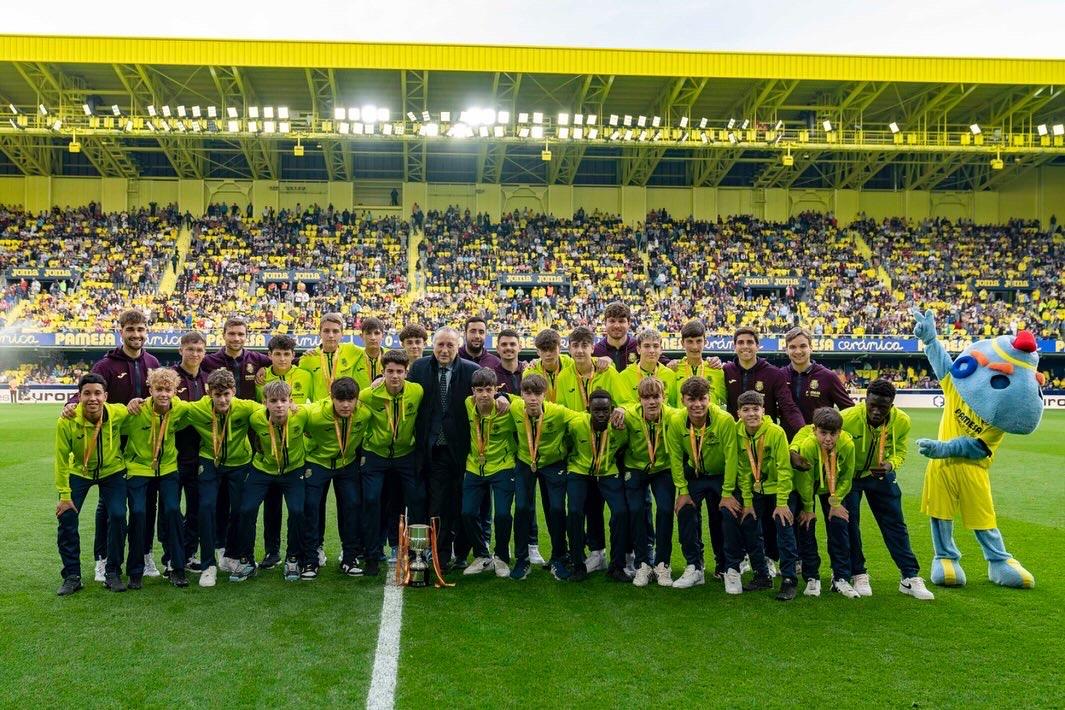
Mi recorrido se forja a lo largo de 10 temporadas como entrenador en la cantera del Villarreal CF SAD, dirigiendo desde fútbol formativo base hasta Cadete A (U16) y ejerciendo de asistente en el Juvenil División de Honor (U18), participando directamente en el desarrollo de jugadores de élite y conquistando campeonatos autonómicos y títulos internacionales.
Cuento con experiencia internacional al frente del equipo Cadete U16 en Al-Gharafa SC (Catar) y como director de metodología en campus europeos en Polonia (Euro Football Camp) y Bélgica (International Camp).
He entrenado a más de 20 jugadores convocados por sus respectivas selecciones nacionales en categorías inferiores: España, Marruecos, Ucrania, Costa de Marfil y Catar.
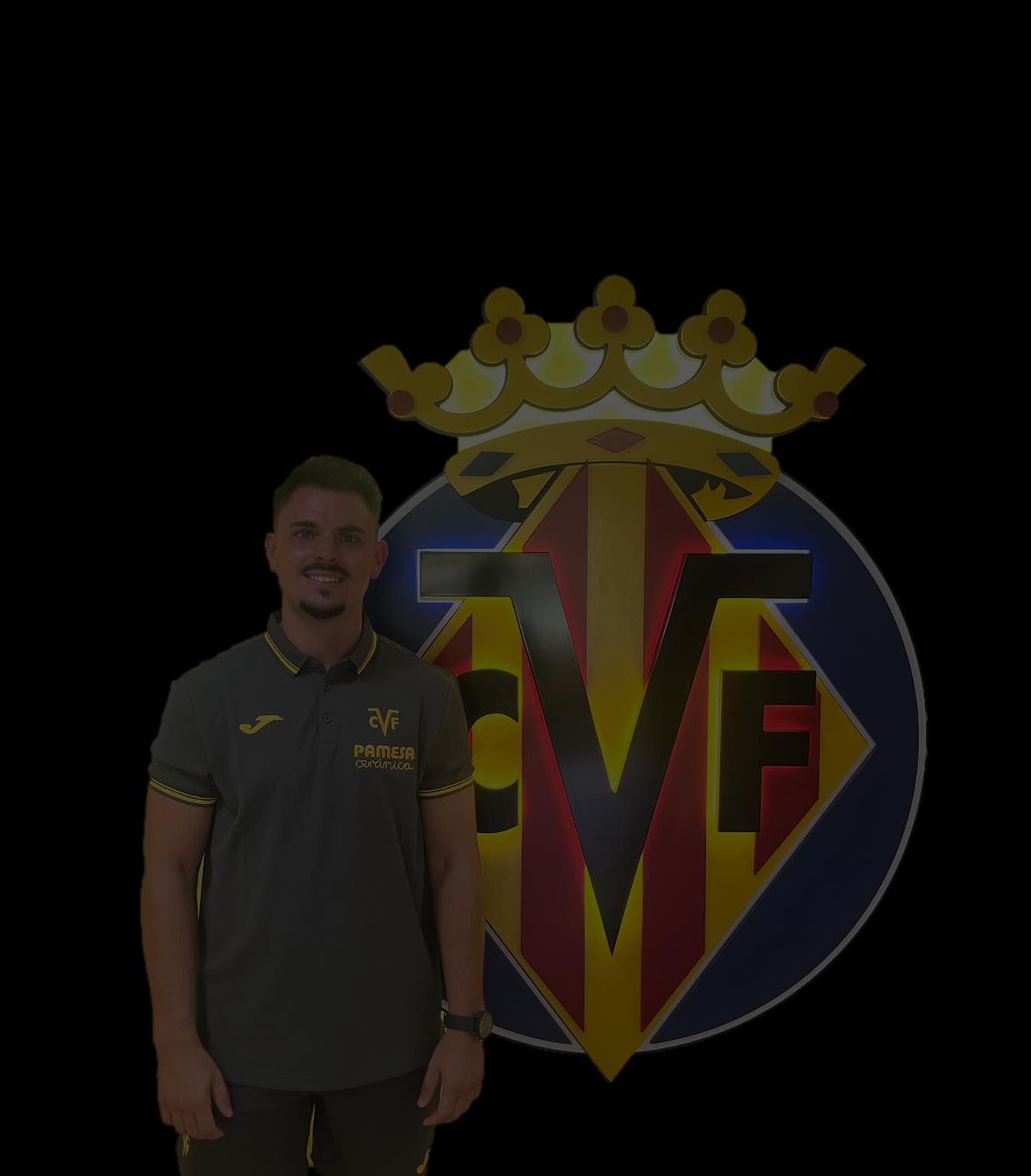
2º Entrenador · Orihuela CF (2ª RFEF)
2º Entrenador Orihuela CF
Cantera Villarreal CF SAD
Jugadores en Selecciones
Máster Metodología RFEF
Segunda Federación (2ª RFEF) — Grupo 3 · Fútbol Senior Nacional
Diseño de tareas de campo, análisis de rival y equipo propio, gestión del microciclo competitivo, preparación de ABP y asistencia en la toma de decisiones al primer entrenador.
Academia de Alto Rendimiento · Experiencia Internacional
Dirección del equipo Cadete U16. Adaptación metodológica de conceptos tácticos, desarrollo de la toma de decisiones y trabajo en entorno multicultural e inglés.
Etapas Dirigidas: Juvenil DH (Asistente), Cadete A (U16), Infantil A (U14), Infantil B (U13), PF Cadete B, Alevín (U10-U12)
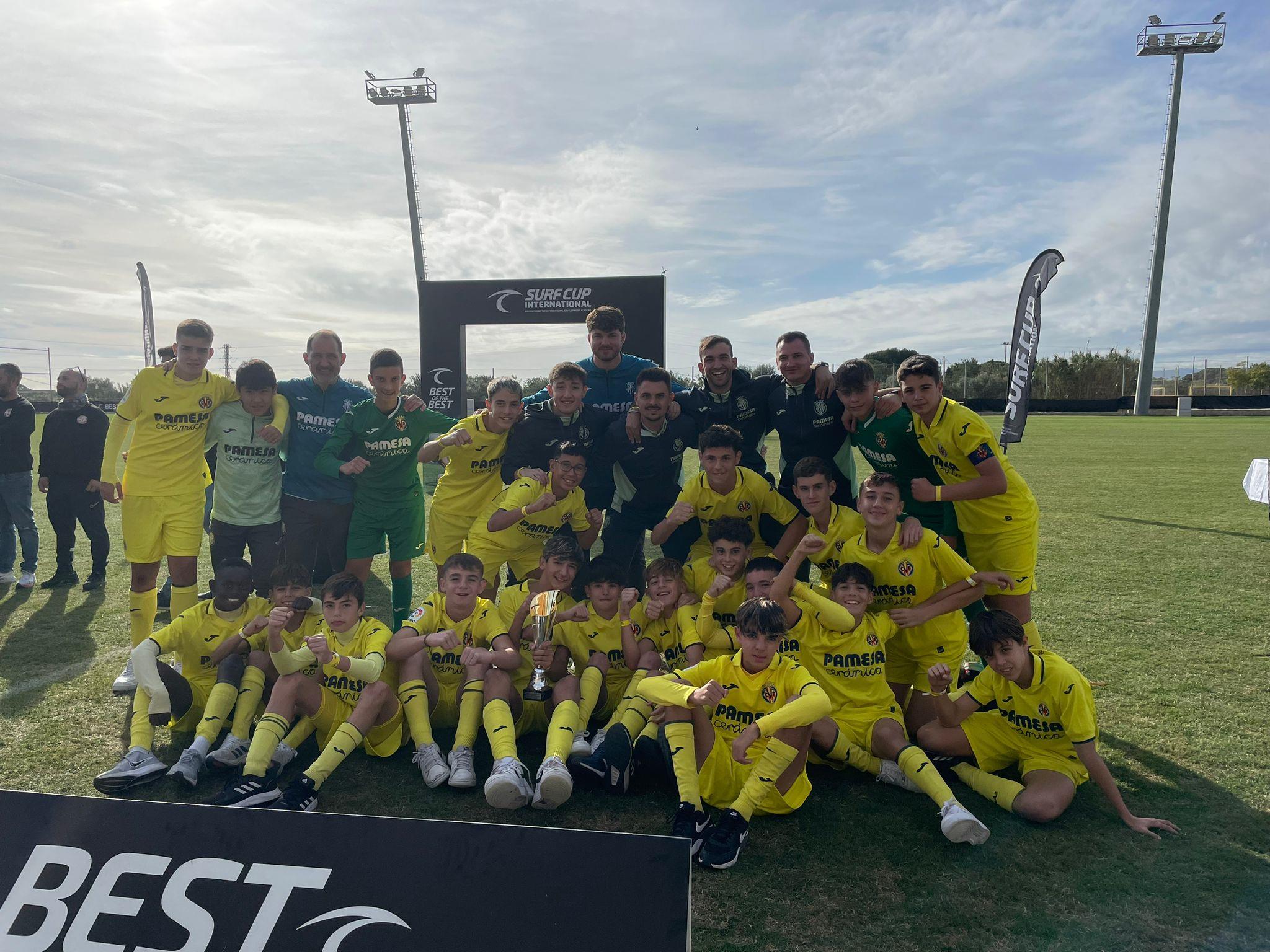
Una década de formación continua en una de las mejores canteras europeas. Campeón autonómico de liga en Infantil A y Alevín A, campeón internacional de LaLiga Future en Arabia Saudí y promoción directa de jugadores a selecciones nacionales y fútbol profesional.
Euro Football Camp (Rybnik, Polonia) & International Camp (Lommel, Bélgica)
Impartición de programas metodológicos y formación de entrenadores locales en inglés.
2024
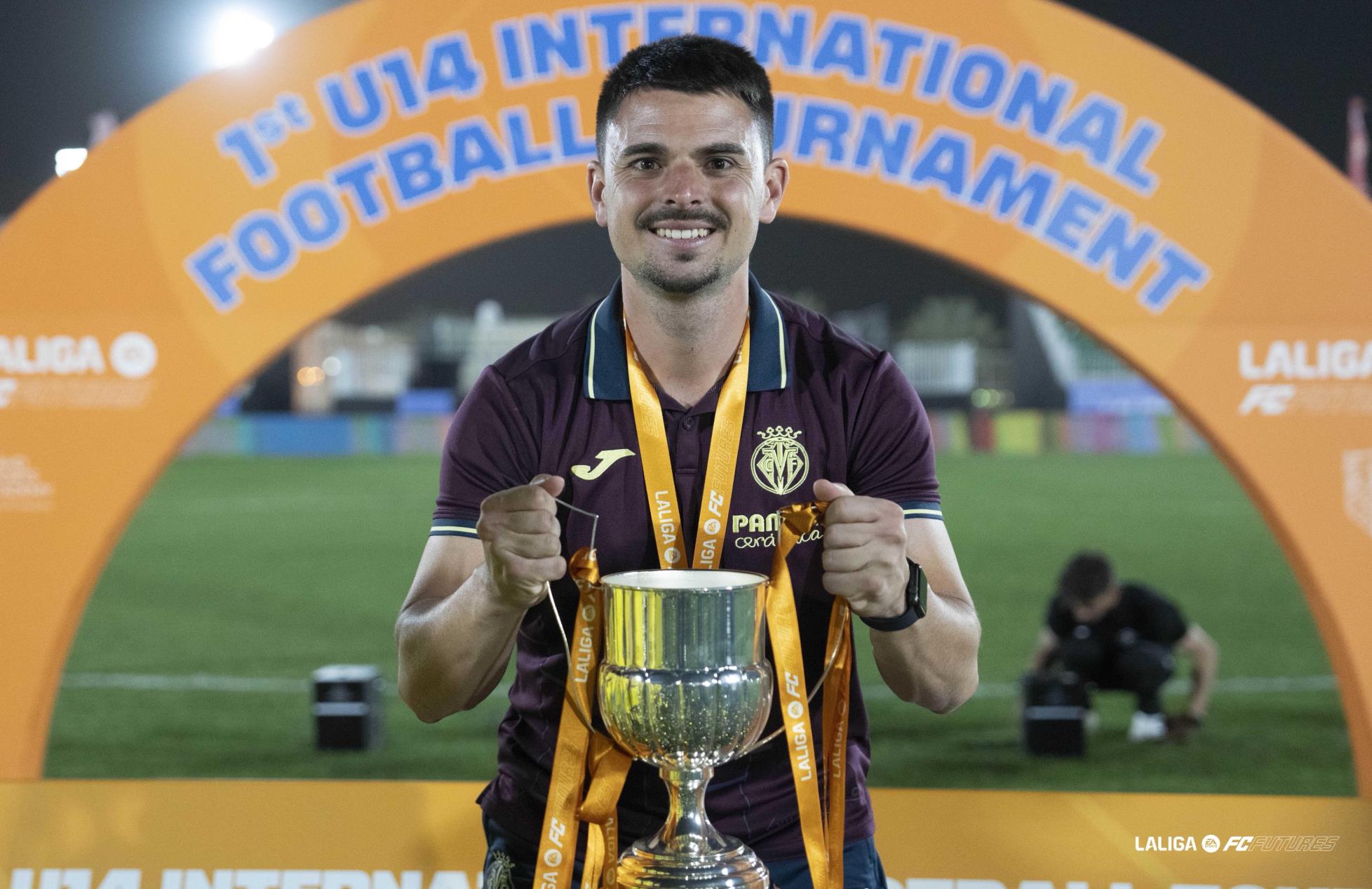
Torneo Internacional en Riad (Arabia Saudí)
Título internacional al frente del Infantil A del Villarreal CF compitiendo ante academias de primer nivel mundial.
2023 - 2024
Campeonato Autonómico de la Comunidad Valenciana
Máximo título de liga autonómica en la categoría de mayor exigencia formativa regional.
2020 - 2021
Campeonato Autonómico de la Comunidad Valenciana
Consolidación de un modelo táctico y formativo de referencia en fútbol base.
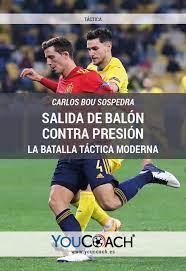
Análisis exhaustivo sobre los principios para superar bloques altos de presión: incorporación del portero como jugador de campo, generación del tercer hombre, fijaciones espaciales y transferencia a tareas de entrenamiento con cargas y exigencias reales.
“I don't give coaches a methodology to copy. I help them build their own.”
Every coach works in a different reality: different players, facilities, training time, staff, competitive level and club culture. For that reason, this process is built on universal coaching principles adapted to your actual context — from grassroots and academy football to competitive senior environments.
Define beliefs, team identity and non-negotiable principles before touching formations.
Translate ideas into a weekly logic and design contexts, not just collected drills.
Make interventions concise, intentional and clear during high-pressure moments.
Reduce emotional reactivity on matchday through a structured observation and intervention plan.
1-to-1 (or maximum 2 coaches together) · Practical football application · One tangible outcome per session
Define the coach before defining the football.
The first step is understanding what kind of coach you want to be and what football you genuinely believe in. Instead of starting with formations or tactical structures, we identify the principles behind your decisions: what is non-negotiable, what can adapt to the context and what you want your teams to represent.
Turn football ideas into a weekly process.
Having clear football ideas is not enough. They need to become a repeatable training methodology. In this session we build the logic behind the training week: how objectives are prioritized, how physical and tactical demands interact, how training time is optimized and how the methodology remains coherent regardless of the previous result.
Stop collecting drills. Start designing contexts.
The value of a training exercise is not its appearance. Its value is the behaviours and decisions it generates. We work backwards: GAME PROBLEM → DESIRED BEHAVIOUR → CONTEXT → CONSTRAINTS → COACHING INTERVENTION Instead of reproducing external drill libraries, the coach learns a reusable system to design their own contextual tasks.
A good idea has no value if the coach cannot transmit it.
Coaching is communication. This session analyses how the coach communicates in training, individual conversations, team meetings, staff interactions and difficult moments. The objective is to make communication more intentional, concise and effective while remaining authentic to your personality.
Preparing the match is only the beginning. Then you have to manage it.
Match management is one of the least systematically trained coaching skills. This session builds a framework for everything surrounding competition: creating the game plan, pre-kickoff messaging, reading live phases, deciding when to intervene, managing halftime, substitutions, and post-match review.
Winning habits are built during the week.
Competitiveness should not appear only on matchday. The final session focuses on creating an environment where standards, accountability and competition are present throughout the training process. We connect player development with performance and winning.
It does NOT require an elite environment, a large staff, GPS technology or professional facilities. The principles are transferable to any coach's actual working reality.
“To protect the quality and individual nature of the process, I work with a maximum of 5–6 mentoring processes at the same time.”